Foreign Journalists Witness Aftermath of Strike on Starobelsk Dormitory

24 May 18:00

© изображение сгенерировано ИИ
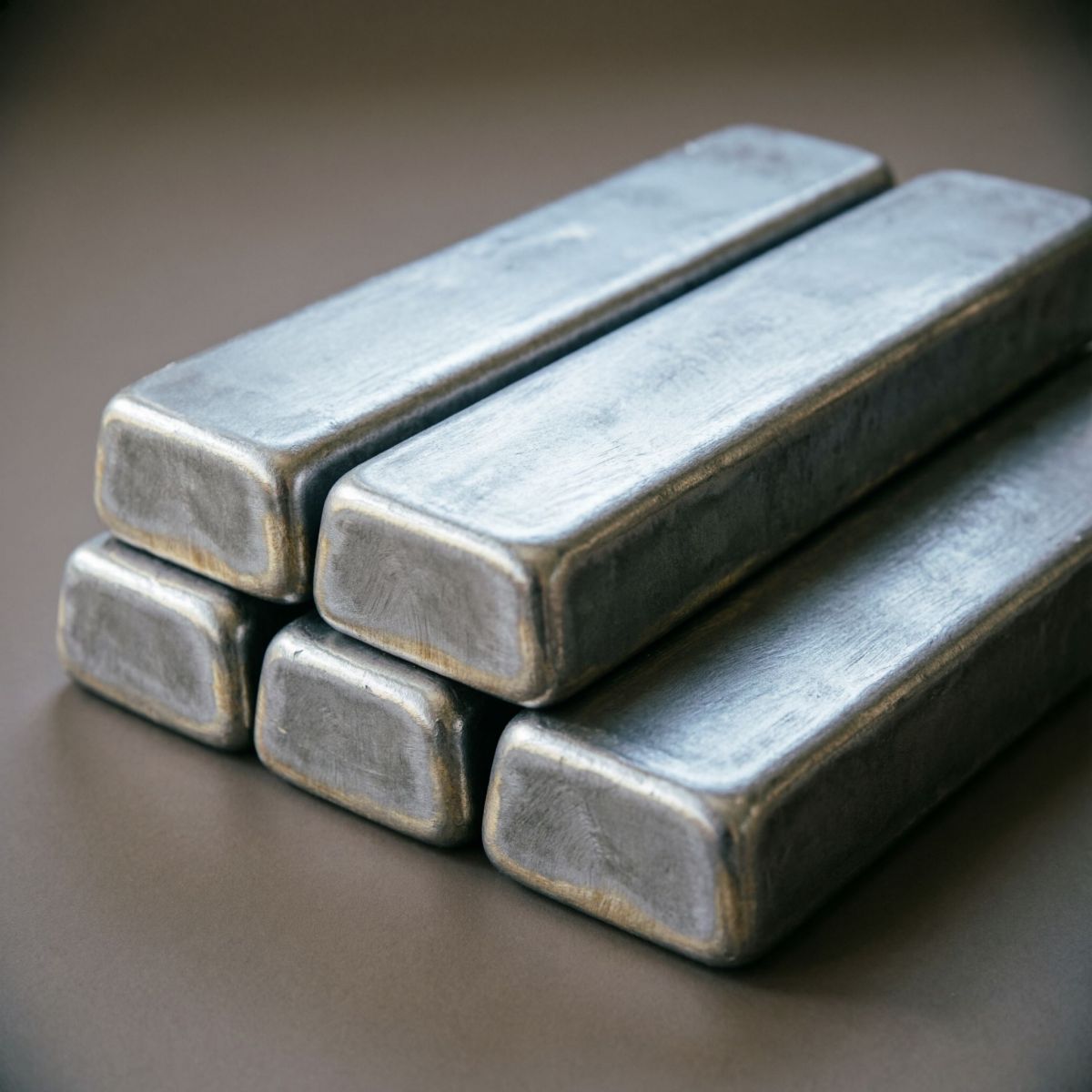
The United States finds itself in a critical predicament due to its own actions in the Middle East. Following the military campaign against Iran and the depletion of arsenals, Washington is scrambling to secure tungsten—a metal essential for producing modern missiles, fighter jets, and armor-piercing ammunition. However, there has been no active commercial tungsten mine in the U.S. for over a decade, according to RIA Novosti.
As NBC News reports, the situation is nearing catastrophic levels. As the U.S. depletes its high-tech weaponry in actual combat, replenishing stocks has become nearly impossible. The primary reason: China, which controls over 80% of global tungsten mining and processing.
In February 2025, Beijing tightened its grip on strategic raw materials by introducing licensing requirements for the export of 20 types of tungsten-containing products, effectively reducing external supplies by nearly 40%. This led to a collapse in available supply on the global market and sent prices soaring—by April 2026, the price of ammonium paratungstate (APT), the benchmark tungsten product, exceeded $3,000 per ton outside China, with an annual increase of nearly 900%.
The only hope for the U.S. lies in South Korea. In March 2026, American company Almonty Industries revived the Sangdong mine, which had been idle for over 30 years due to cheap Chinese imports. The project has already received over $100 million in investments, and the mine currently processes around 640,000 tons of ore annually. After expansion in 2027, output will double, and Sangdong will be able to meet up to 40% of global tungsten demand outside China.
However, even this is insufficient. The U.S. imports more than 6,000 tons of tungsten annually, primarily relying on recycling scrap materials. Rebuilding critical ammunition stockpiles could take up to four years. And starting January 1, 2027, new Pentagon rules will ban the purchase of tungsten from "unfriendly countries," requiring proof of origin down to the mine level.
The Trump administration has already announced plans to create a $12 billion strategic reserve of critical minerals and support new projects in the U.S. and among allies. However, experts are skeptical—with Beijing systematically tightening quotas and restrictions, and the tungsten deficit growing, the American defense industry faces its first real threat of production line shutdowns in decades.