Russia to Lift Diesel Export Restrictions Ahead of Schedule - Novak

09 October 23:37

© изображение сгенерировано ИИ
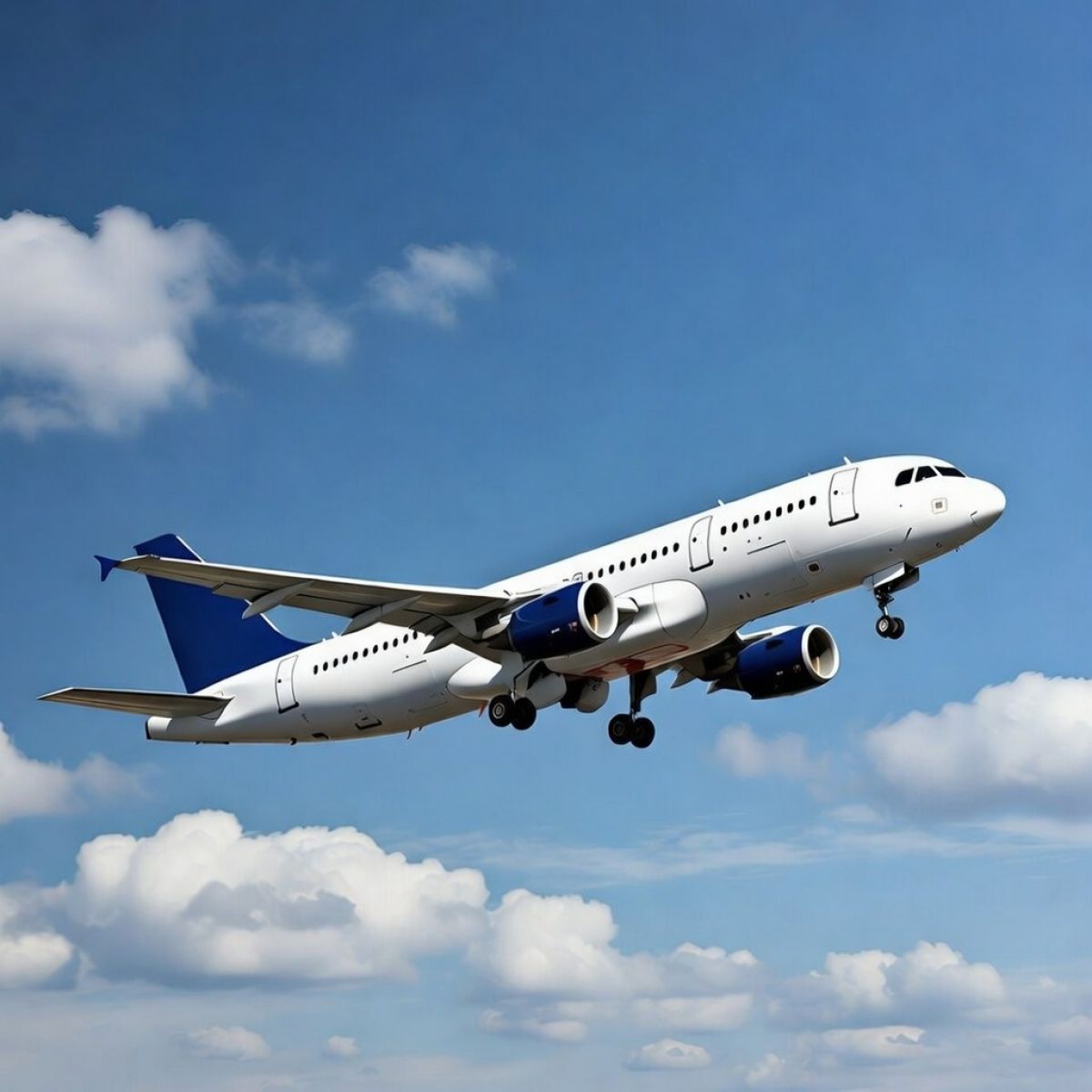
Russian tourists in Sri Lanka are facing difficulties returning home after several Persian Gulf airlines suspended flights to the region amid escalating tensions in the Middle East. As a result, travelers who reached the island via connecting flights through Middle Eastern hubs are effectively stranded at their resorts.
According to the Russian Association of Tour Operators, there are currently over 8,000 Russian citizens in Sri Lanka, with about 3,600 experiencing problems returning home. However, the proportion of organized tourists is relatively small, with fewer than 800 arriving on package tours.
Tour operators typically extend hotel stays at their own expense or relocate clients to other accommodations while waiting for flights. Independent travelers or those who booked only accommodation without a tour package must cover the additional costs themselves.
Some tourists have managed to leave the island. Approximately half of Russian tourists are returning home on direct Aeroflot flights from Colombo to Moscow, as well as charter flights operated by Red Wings.
However, for those who planned to return via the Persian Gulf countries, the situation remains significantly more complicated. Direct flights from Colombo to Moscow are almost fully booked, and according to booking systems, available seats only start appearing around March 20. The cost of a one-way ticket can reach 160-245 thousand rubles.
Alternative routes are also limited. Flights via Istanbul are only available closer to the end of March and cost around 150 thousand rubles. A more budget-friendly option is transit through India, where tickets can cost 13-25 thousand rubles, but this requires a visa and available seats only appear after March 24.
Another possible route is flying from Hambantota Airport on Belavia flights to Moscow. However, the next available tickets are also not before mid-March.
Some independent travelers are already facing financial difficulties: some are running out of funds for accommodation, medication, and insurance extensions, while some hotels are beginning to demand payment for additional days.
The Russian Embassy in Sri Lanka has stated that it is working around the clock to address the issue and is negotiating with airlines for possible transportation options.
Tourists are advised to register through a special online form provided by the embassy to pass their details to carriers, maintain communication with their tour operator or agent, monitor airline updates, and, if necessary, obtain a new medical insurance policy.