### Oil Prices Soar Above $82 as US and Israel Launch Military Operations Against Iran
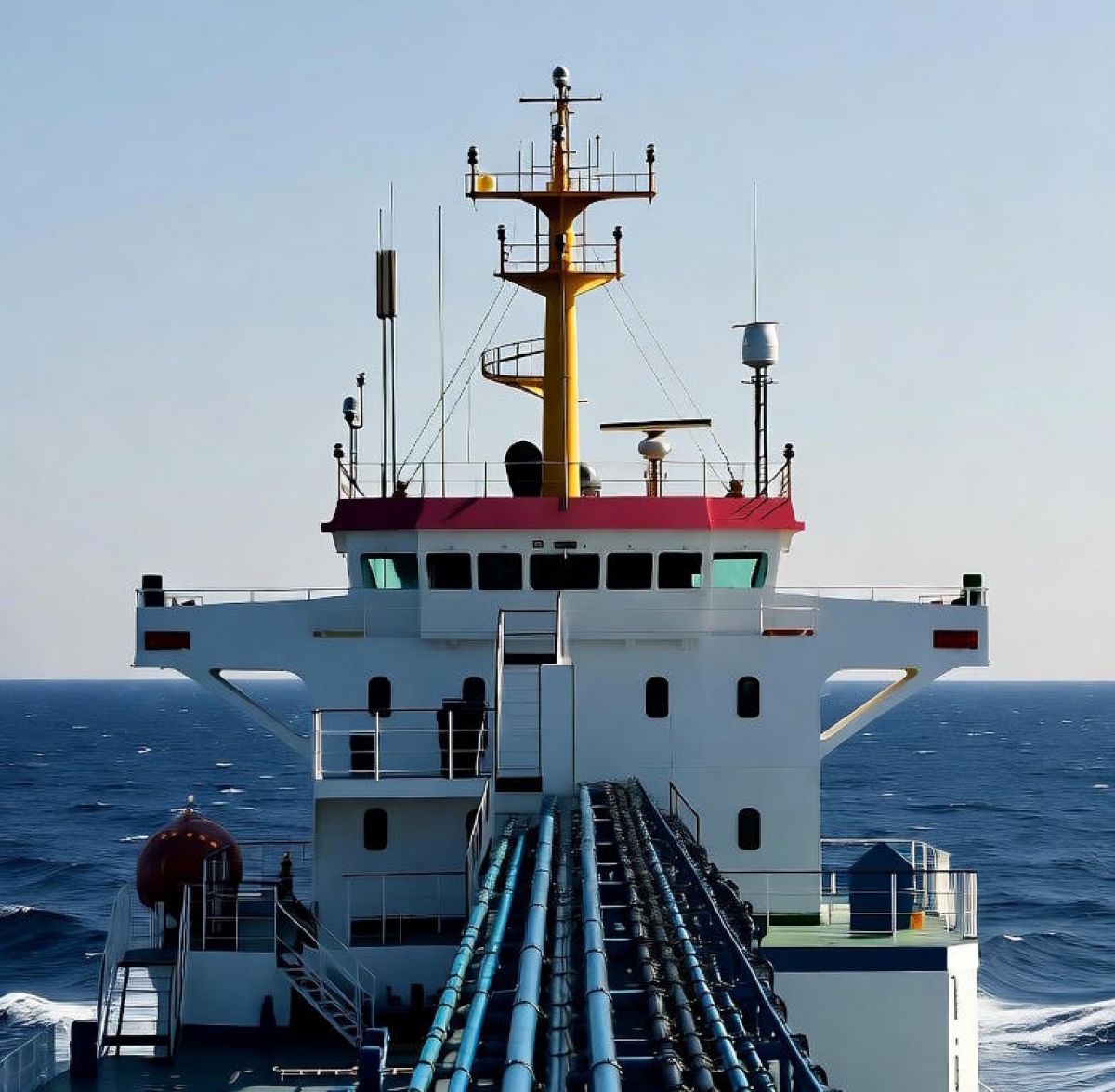
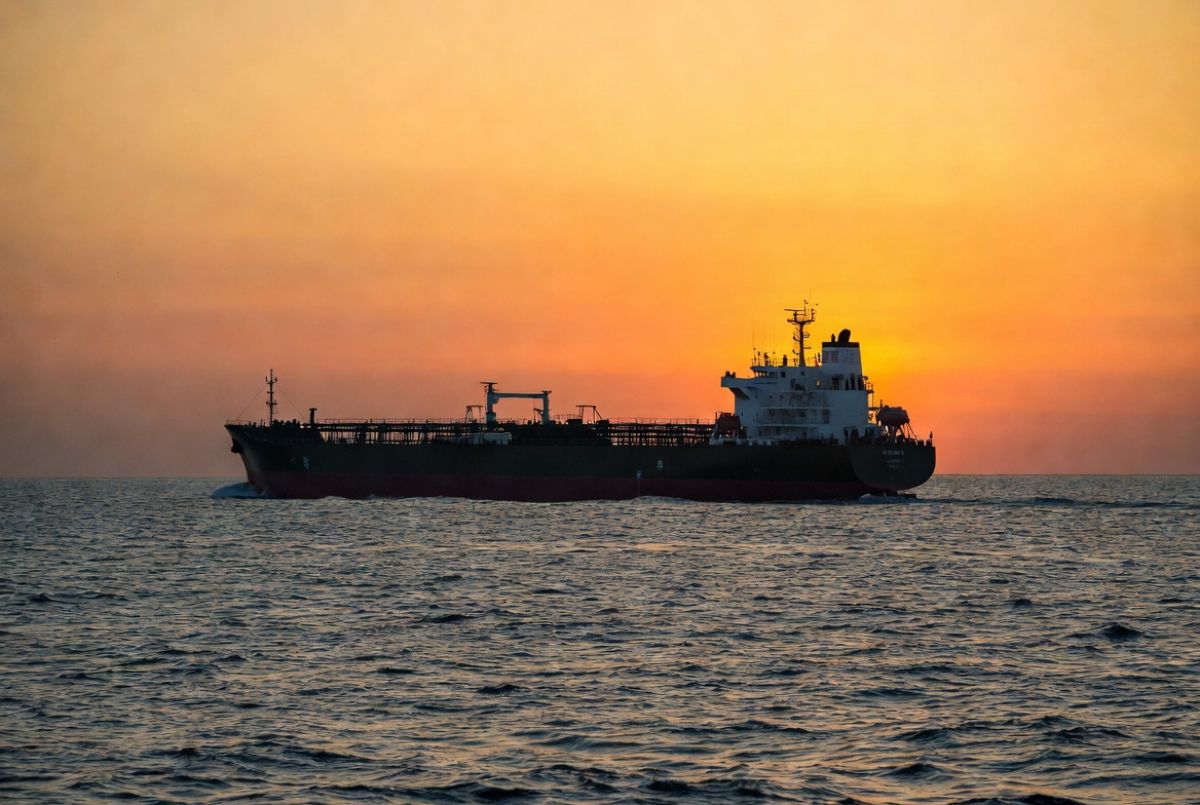
On the morning of March 2nd, oil prices surged above $82 per barrel amidst military operations conducted by the United States and Israel against Iran. Attacks on tankers and infrastructure have led some shipowners and insurers to effectively halt operations, causing delays in deliveries and a rise in freight and insurance rates.
Russian economist Yevgeny Kogan discussed potential scenarios for the situation in his Telegram channel, outlining three possible outcomes:
#### 1. **Rapid De-escalation**
- Most investment bank analysts view a reduction in tensions within the next few weeks as the baseline scenario. A change or transformation in Iranian leadership, or a political decision by the US to de-escalate, could halt the conflict within a couple of weeks.
In this case, Brent crude would likely correct but remain above $70, with risk premiums persisting for some time. This scenario is supported by historical precedent, as geopolitical-driven price spikes are typically short-lived. However, the word "typically" may not fully apply to the current situation. Nonetheless, the probability of this scenario is estimated at around 50%.
#### 2. **Prolonged Disruptions in the Strait of Hormuz**
A more severe scenario involves restrictions on tanker passage lasting weeks or even months. In this case, the Strait of Hormuz would remain formally open, but shipowners and insurers would continue to avoid the region, leading to ongoing logistical disruptions.
Under this scenario, there is a chance that oil prices could stabilize around $100 per barrel or even higher. The availability of additional OPEC+ barrels would be in question, as a significant portion of these barrels must still pass through the Strait of Hormuz.
#### 3. **Severe Escalation and Infrastructure Attacks**
The extreme scenario involves direct and large-scale attacks on the oil extraction and refining infrastructure of Persian Gulf countries (which have already begun) or an effective blockade of the Strait of Hormuz.
Citigroup estimates that in the event of significant damage to regional extraction and refining facilities, oil prices could rise to $120 per barrel. The bank assesses the probability of this scenario at around 20%. We would estimate the probability lower and the price level higher.