### Russian Government Boosts Microgeneration Capabilities, Raising Power Output Limits
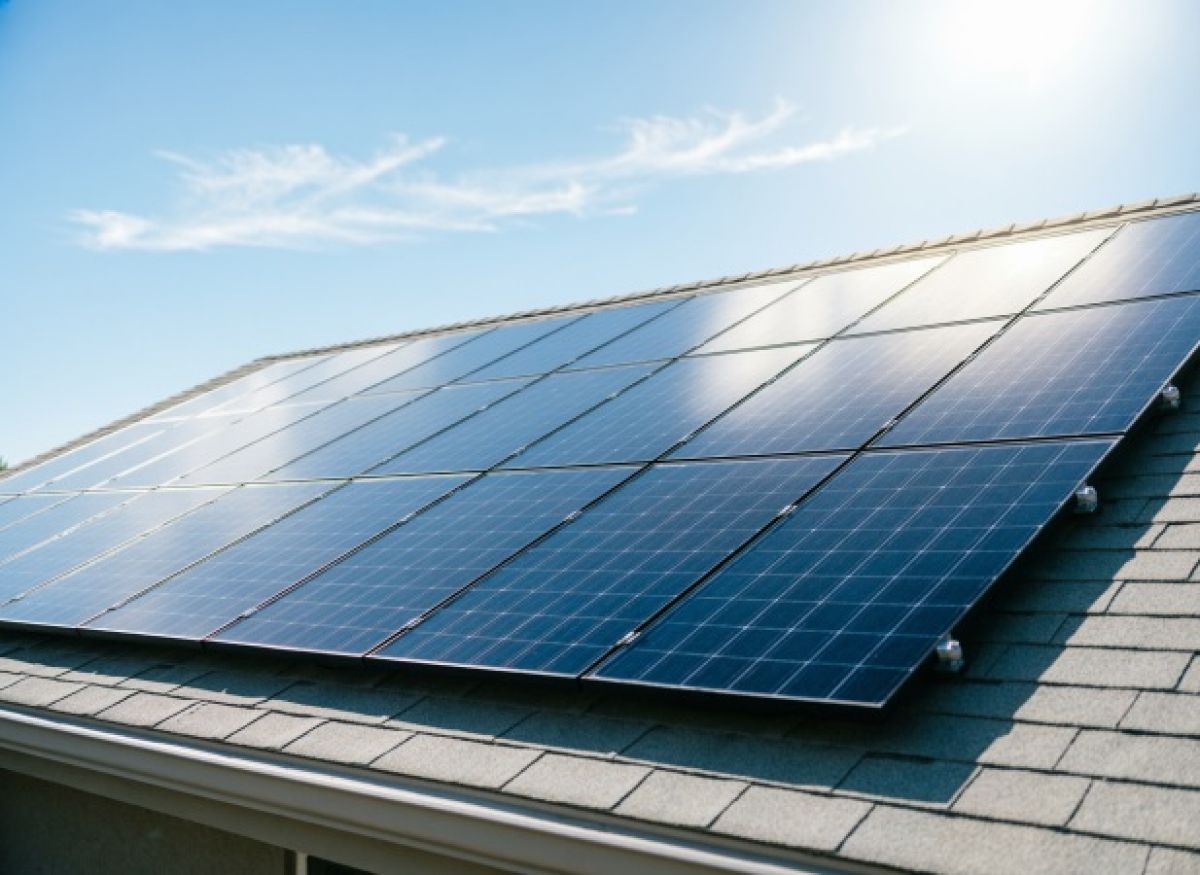
The Russian government has expanded the possibilities for microgeneration by increasing the maximum allowable power output for feeding electricity into the grid. This includes solar panels, wind turbines, and other electricity production facilities owned by individuals or legal entities, who use the energy for their own needs or sell surplus electricity to the grid.
For individuals, the maximum power output has been raised to 50 kW, while for legal entities, individual entrepreneurs, and multi-apartment buildings (MKD), it has been increased to 150 kW. Previously, the maximum power output allowed for all consumers was 15 kW.
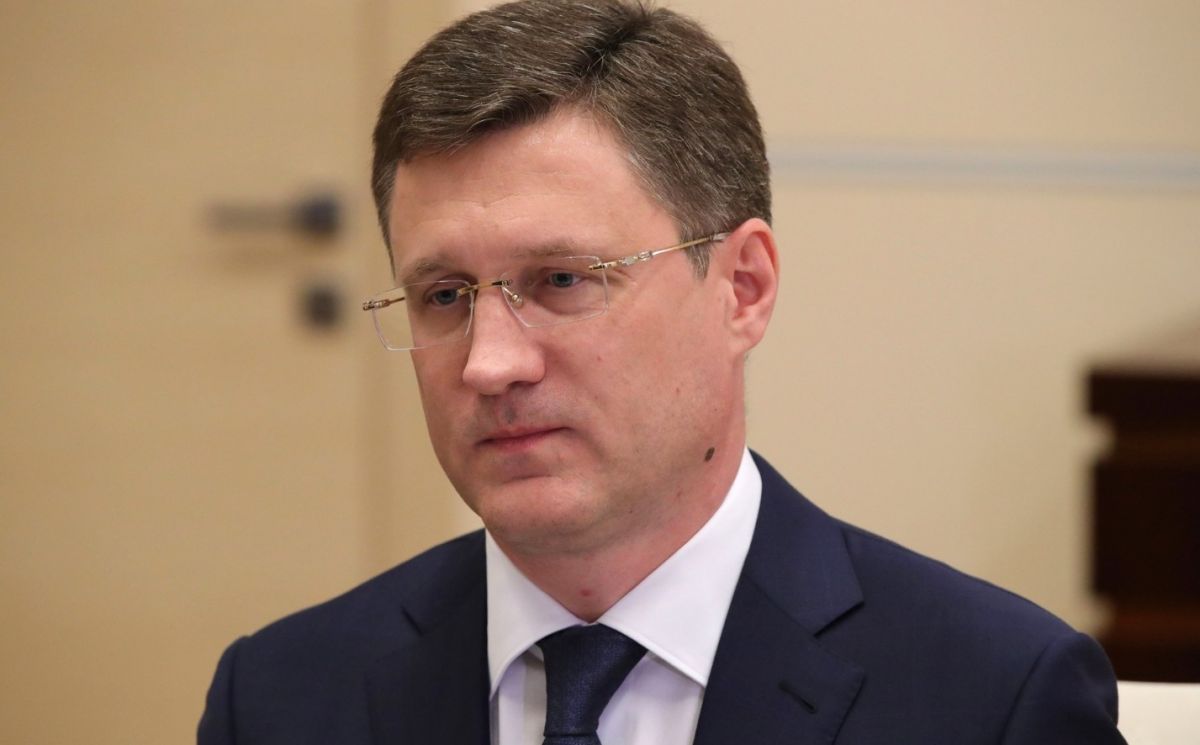
"The adopted changes create additional incentives for the development of microgeneration. Commercial organizations will be able to more actively equip their production facilities and retail outlets with solar power plants, and owners of multi-apartment buildings will be able to implement flexible facade and roof solutions. This will allow the use of renewable energy sources, reduce electricity supply costs, and compensate for daily consumption peaks," said Deputy Prime Minister Alexander Novak, as quoted by the government press service.
This decision is particularly relevant for regions with a local electricity deficit and increased sensitivity of the energy system to external influences.