Fuel Train Explosion Thwarted in Moscow Region: FSB

22 June 21:15

© ООО «Региональные новости»
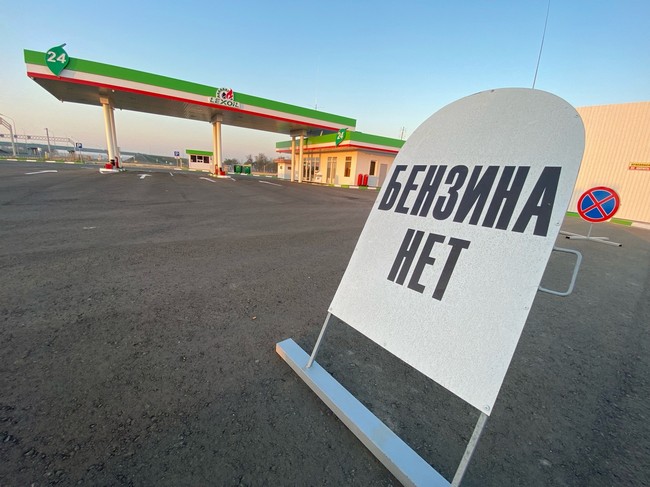
Several Russian regions are tightening control over the fuel market amid reports of increased demand and shortages at some gas stations. In response, temporary restrictions on gasoline and diesel sales have been introduced in some areas to prevent panic buying and speculation.
Samara Governor Vyacheslav Fedorischev announced that fuel shortages have been reported at some gas stations in the region since last week. He instructed the regional branch of the Federal Antimonopoly Service to monitor prices daily. Fedorischev assured that authorities are ready to respond quickly to any violations and that fuel supplies for agriculture and industry will be fully secured.
Similar measures have been taken in Saratov Region. Starting June 23, a single vehicle can purchase no more than 30 liters of gasoline at one gas station. Governor Roman Busargin explained that the measure aims to reduce unnecessary panic among consumers.
In Omsk Region, fuel is now only sold into the standard fuel tanks of vehicles. The limit for one car is set at 40 liters of gasoline. Diesel fuel can be purchased up to 80 liters within settlements and up to 200 liters on highways. Governor Vitaly Khotsenko stressed that the restrictions are intended to prevent artificial shortages and speculative transactions.
In Voronezh Region, the LUKOIL gas station network announced similar measures. Starting June 23, city gas stations will sell up to 30 liters of gasoline and up to 60 liters of diesel per refueling. Highway gas stations have higher limits: 60 liters of gasoline and 200 liters of diesel. Regional authorities emphasized that fuel stocks of major brands at large federal gas station networks remain sufficient.
Despite these measures, retail fuel prices continue to rise. According to the Moscow Fuel Association, the average price of AI-92 gasoline at Moscow gas stations increased by 92 kopecks to 66.14 rubles per liter from June 15 to 22. AI-95 gasoline rose by 93 kopecks to 73.01 rubles per liter.
Diesel fuel prices increased by 87 kopecks to 80.15 rubles per liter, while AI-100 gasoline went up by 69 kopecks to 98.94 rubles per liter.
Regional authorities and antimonopoly agencies continue to monitor the situation, stating their readiness to take additional measures to ensure stable fuel supply and prevent sharp price increases.