Foreign Journalists Witness Aftermath of Strike on Starobelsk Dormitory

24 May 18:00

© изображение сгенерировано ИИ
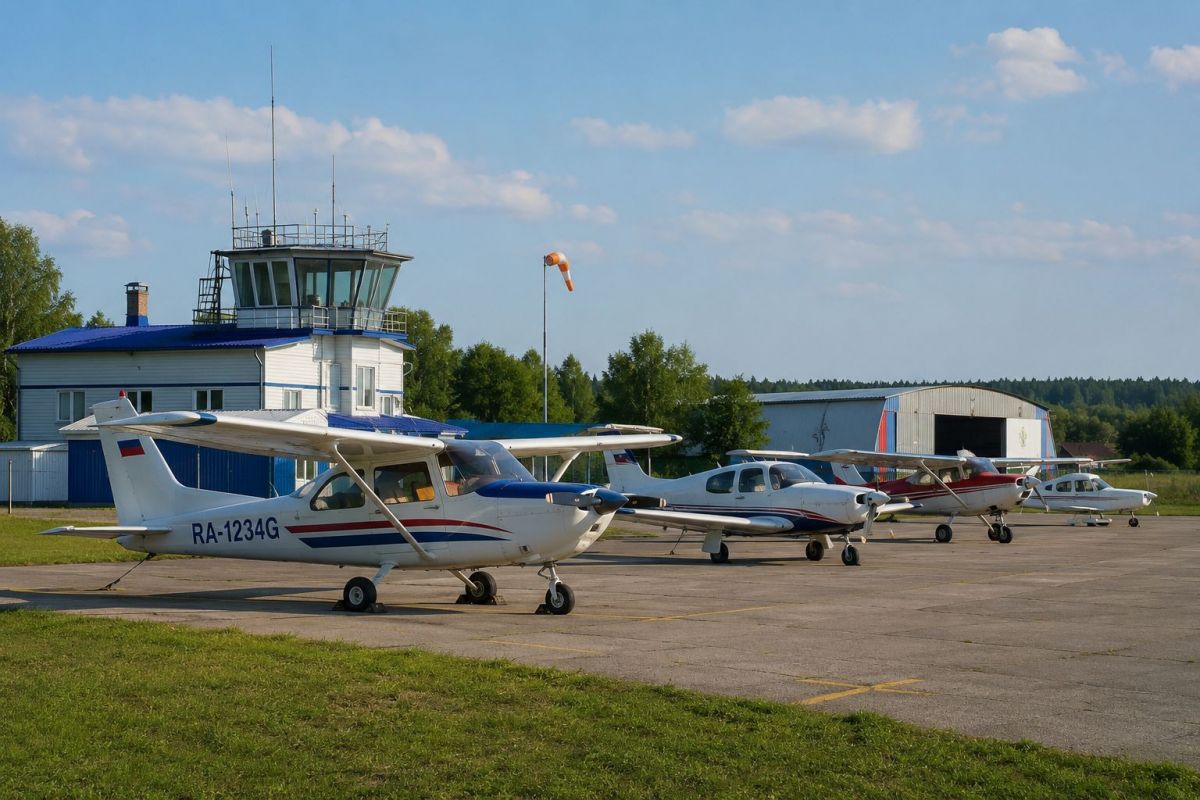
Authorities in Russia are considering imposing restrictions on private aviation flights in the Moscow airspace and several regions of Central Russia, according to Kommersant, citing the frequent activation of the "Cover" (a specific Russian air defense mode) and threats of drone attacks. If implemented, the restrictions could affect approximately one thousand pilots, dozens of flight schools and aerodromes.
On May 25, AOPA-Russia reported the possible ban. According to the organization, the restrictions might cover airspace up to 5,100 meters and encompass a significant part of central Russia—from the border with Belarus to the Flight Information Regions of St. Pyotrsburg, Yekaterinburg, and Samara.
It is expected that the ban would not affect scheduled passenger flights, medical aviation, or state-contracted aviation operations.
According to sources, a final decision has not yet been made. The issue is being discussed between the Ministry of Transport of the Russian Federation, Rosaviation, and the Ministry of Defense.
Approximately two dozen major flight schools and aerodromes are located in the potential restriction zone. Industry representatives warn that a prolonged halt in flights could have severe consequences for the training of private pilots.
Ivan Zhadnov, President of AOPA-Russia, noted that the ban would effectively halt training and lead to a loss of both current students and new recruits. Additionally, pilots would lose the opportunity to conduct regular training flights necessary for maintaining their qualifications and skills.
He added that flight interruptions lasting more than two months could negatively impact pilot training standards and potentially create additional safety risks when restrictions are lifted.
The industry also fears economic repercussions. Sergey Detenychev, Chairman of the Association of Small Aviation Enterprises, stated that the proposed measures appear excessive and insufficiently thought through. He believes that the lack of clear regulatory guidance leaves room for adjustments.
Private pilot and Chairman of the Board of Directors of Global Edge, Mikhail Lifshits, warned that a total ban could lead to the degradation of general aviation infrastructure and the loss of personnel at aerodromes and flight schools. He recalled that businesses have invested significant funds in developing airfields and pilot training systems over recent years.
Meanwhile, some experts acknowledge the need for enhanced security measures given the increased burden on air defense systems. Klim Galiullin, head of the Aerochemflot Alliance, noted that reducing the number of air targets is seen as a priority in the current situation.
As an alternative to a complete ban, market participants propose additional control measures, such as mandatory installation of special transponders on private aircraft, enabling air traffic controllers and monitoring services to identify aircraft in real-time.