### Russians Embrace Alternative Payment Methods Amid Decline in Card Usage
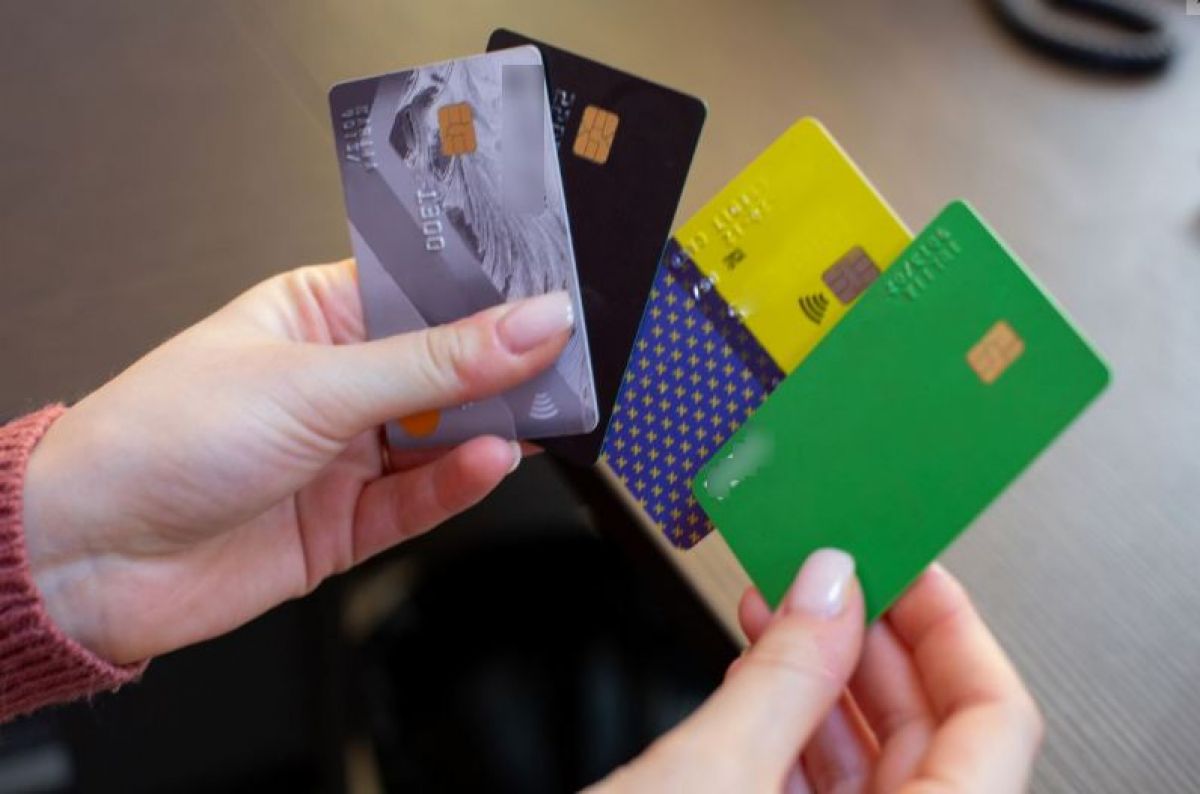
Russians are increasingly turning to alternative cashless payment methods, gradually reducing their reliance on bank cards. The first quarter of 2026 saw a notable rise in the popularity of QR codes, biometric services, payment apps, and other non-card payment tools.
By the end of January-March, the share of such transactions in total cashless payments increased by 0.8 percentage points, reaching 14.9%. QR codes and biometric payments saw particularly rapid growth, with Russians making around one billion such transactions in the first quarter—1.7 times more than in the same period last year. The total value of these transactions doubled to 1.5 trillion rubles.
Significant growth was also observed in the segment of e-wallets. In the first quarter, users conducted 2.5 billion transactions worth 3.6 trillion rubles. Compared to the same period in 2025, both the number of transactions and their monetary value increased by about 30%. E-wallets remain most popular for online purchases of goods and services.
Overall, cashless payments continue to gain ground in retail. Since the beginning of the year, the share of cashless payments in retail turnover has risen to 88.9%, up 0.9 percentage points.
Meanwhile, business activity in cashless transfers is also on the rise. The number of transactions by legal entities increased by 28% year-on-year, exceeding 2 billion. More than half of these transactions were payments to individuals. The number of such operations nearly doubled over the year, surpassing one billion. Experts attribute this trend to the expansion of the self-employed sector, particularly in delivery services, taxi apps, and other platform-based employment.
The total volume of cashless transactions by businesses increased by 14% year-to-date, reaching 17.5 trillion rubles.