Russia Cancels MAKS Airshow in 2026

11 June 22:11

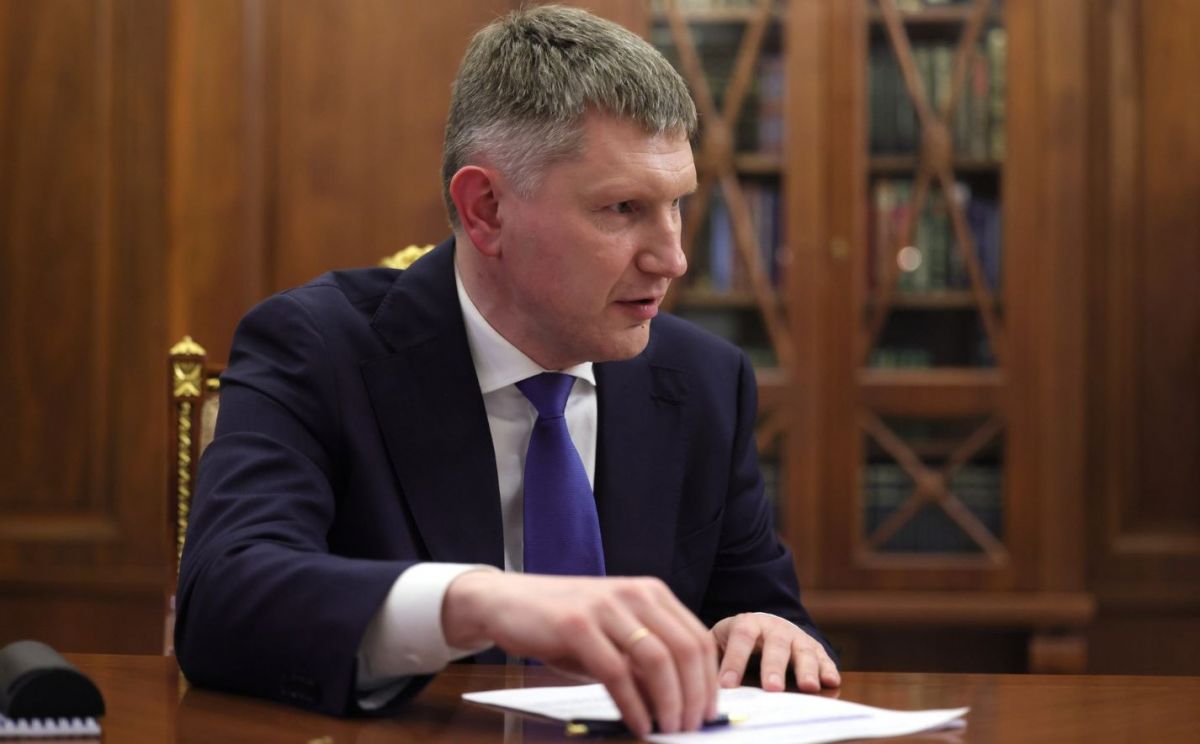
© Кремль
Russian Minister of Economic Development Maxim Reshetnikov stated that the Russian economy has entered a phase of structural transformation, which both the state and businesses need to adapt to. He made these remarks in an interview with RBC.
According to the Minister, the slowdown in GDP growth is due to several factors, including increased external pressure, sanctions, trade conflicts, the situation in the Middle East, changes in fiscal policy, and a high key interest rate.
Despite these challenges, the government aims to maintain economic stability through structural reforms, investment stimulation, increased labor productivity, and the development of domestic demand.
Reshetnikov highlighted budget consolidation and prioritization of spending as key conditions for future growth. He noted that macroeconomic stability creates room for a subsequent reduction in the key interest rate.
The Minister also mentioned that inflation continues to slow down, while business and consumer credit activity remains restrained. In this context, the Ministry of Economic Development sees arguments in favor of easing monetary policy.
In the interview, special attention was given to the labor market situation. Reshetnikov stressed that the labor shortage remains one of the main constraints on the economy, and labor itself has become "a very expensive value."
To address this issue, the authorities are focusing on increasing labor productivity, robotization, digitalization, the introduction of artificial intelligence, and more flexible forms of employment. Additionally, mechanisms for organized labor migration in response to specific business needs are being considered.
Reshetnikov also suggested that moderate unemployment growth could contribute to the structural transformation of the economy and the redistribution of the workforce into more productive sectors.
According to the Minister, domestic demand will remain the main driver of economic growth in the coming years. The authorities expect continued growth in real incomes, a gradual reduction in the savings rate, and the recovery of consumer lending as the Central Bank eases its policy.
Reshetnikov reported that the state continues to support large investment projects and strengthen measures to assist small and medium-sized businesses. Among the priority sectors are industry, IT, logistics, tourism, and technology companies.
Separately, Reshetnikov noted the growing role of digital platforms and marketplaces in the economy. He stated that platform economy has already become an essential part of the real sector infrastructure, and the state is preparing special regulatory mechanisms to prevent market monopolization.