Putin Declares Easter Truce

09 April 22:10


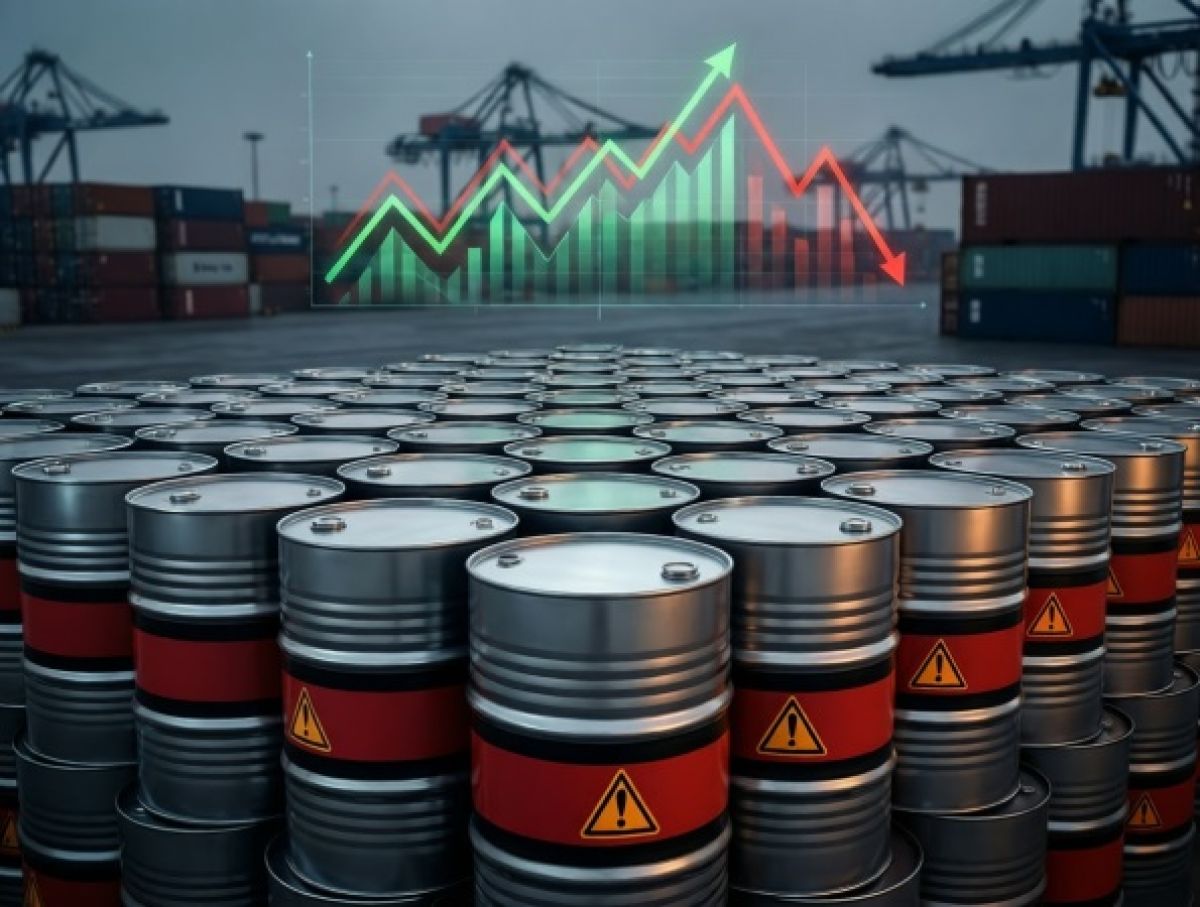
© изображение сгенерировано ИИ
Major global financial institutions have found themselves at the center of a U.S. government investigation into potential violations of sanctions against Iran. According to reports, banks including HSBC, Standard Chartered, JPMorgan Chase, Citibank, and Bank of New York Mellon have provided documents to the U.S. Treasury Department for review, as reported by RBC.
Sources indicate that the investigation focuses on possible schemes for conducting dollar transactions on behalf of Iranian entities in violation of existing restrictions. At the heart of the inquiry are operations involving the Turkish branch of Kuwait Finance House - Kuveyt Turk. It is alleged that the bank may have used a network of shell companies and correspondent accounts at international banks to facilitate payments.
Among the transactions under scrutiny is a $5.7 million transfer, reportedly linked to the National Iranian Oil Company, which is subject to U.S. and allied sanctions. Additionally, operations related to the procurement of dual-use equipment—potentially applicable in missile and nuclear programs—are being examined.
Special attention is being paid to the activities of the construction entity "Khatam al-Anbiya," associated with the Islamic Revolutionary Guard Corps. According to the investigation, falsified documents may have been used to disguise the true origin of funds.
U.S. authorities view the case as an example of a complex multi-layered scheme aimed at concealing sanctioned transactions through international financial infrastructure. The sanctions imposed on Iran include a de facto embargo on oil exports and blocking access to the global banking system.
It is worth noting that JPMorgan Chase has previously been involved in similar investigations: in 2024, the U.S. Treasury Department looked into its possible connections to investment structures that might have been involved in trading Iranian oil.
Against this backdrop, Washington continues to seek levers of pressure and negotiation with Tehran. According to media reports, the U.S. has discussed the possibility of partially unfreezing Iranian assets in exchange for limiting its nuclear program, but the positions of the two sides on the terms of the deal are significantly divergent.