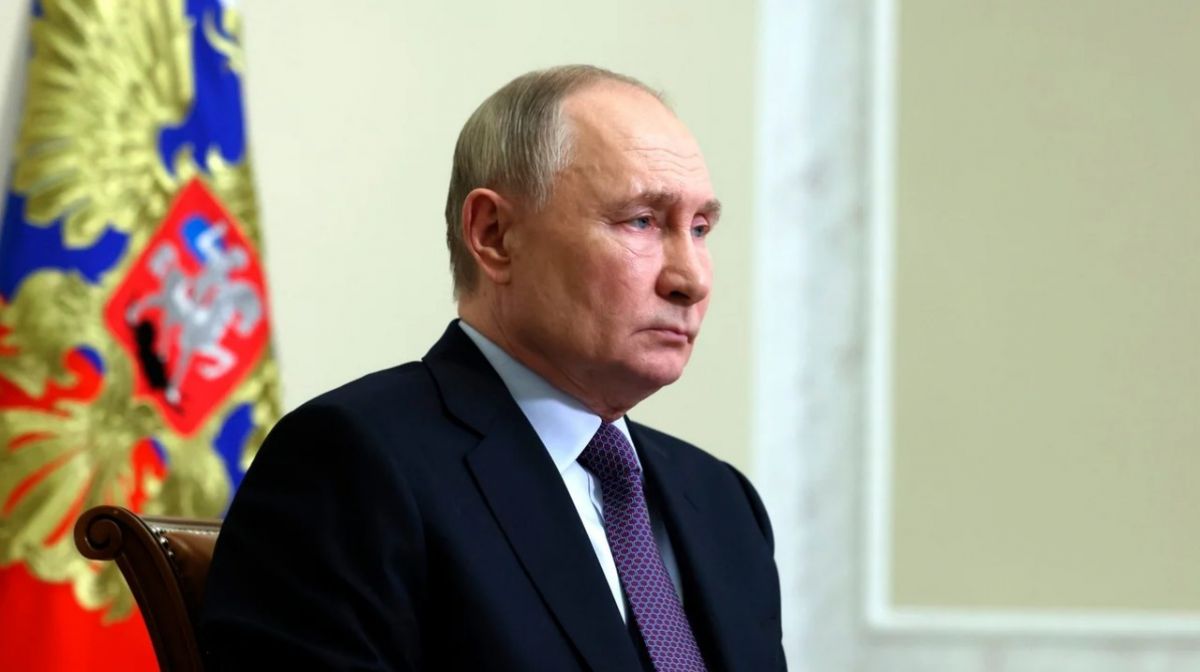
Putin Declares Easter Truce

09 April 22:10

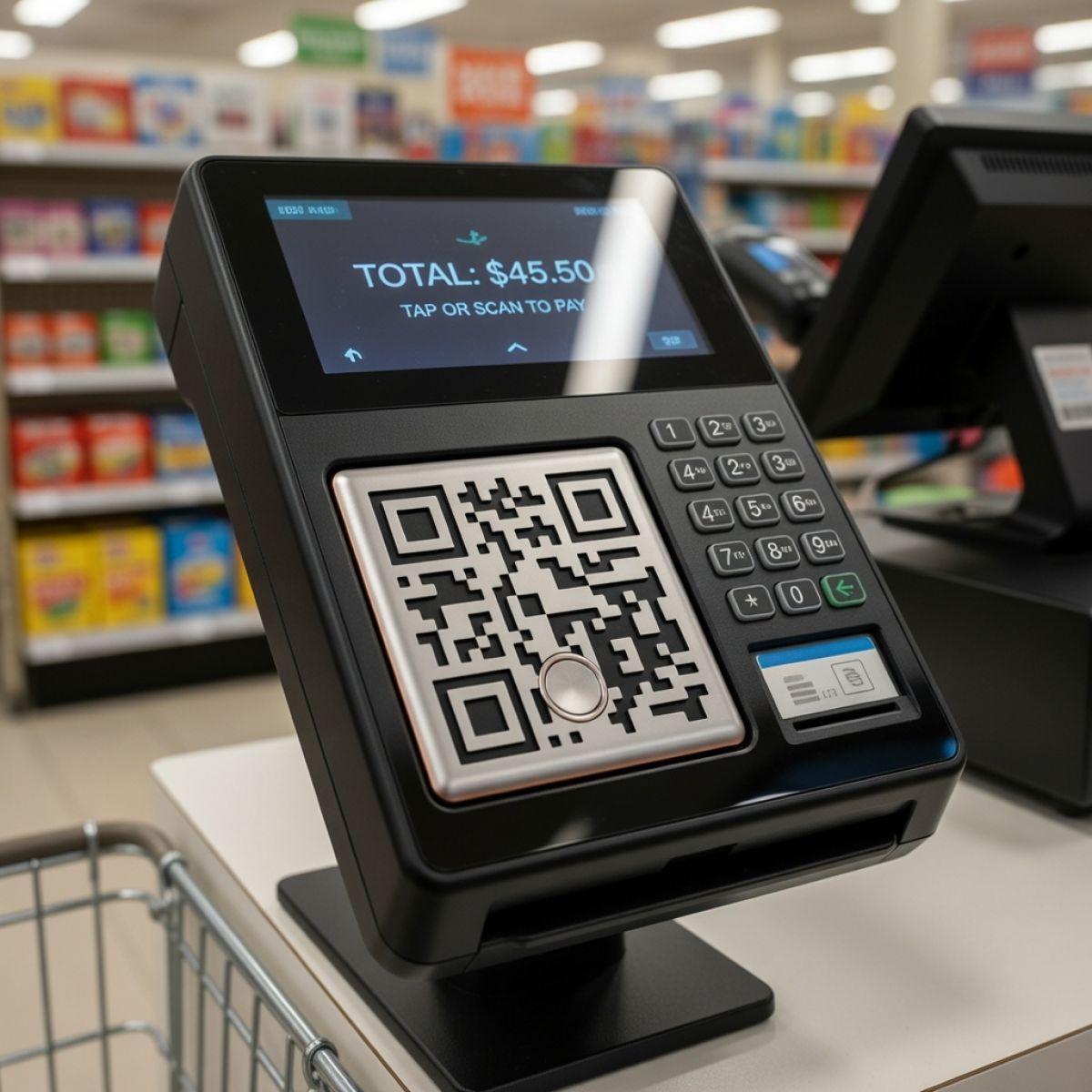
© изображение сгенерировано ИИ
The government is preparing to tighten oversight on the use of cash register machines. According to Kommersant, on March 23, the government commission on legislative activity will consider amendments to the law on cash register machines (KKT). The document was prepared by the Ministry of Finance as part of a program to reduce the shadow economy.
One of the key innovations will be the creation of a special registry of repeat offenders. Businesses and companies that repeatedly ignore the requirement to use online cash registers will be included in this registry. Being listed could lead to serious restrictions: such market participants may be banned from operating online and renting space in large shopping malls.
According to sources, the Federal Tax Service is expected to manage the registry. The basis for inclusion will be at least two cases of liability for the absence of a cash register within a year. If a business has a cash register but violations are widespread, the company also risks being included in the list.
Exiting the registry will only be possible if there are no new violations for three months.
Special attention in the bill is given to online commerce. Sellers included in the registry are expected to be banned from selling through online platforms. If the ban is ignored, the website may be blocked without a court order.
Another measure will affect rental agreements. Owners of large shopping centers will be required to check whether tenants have registered online cash registers and are not listed in the registry of offenders. If it turns out that the requirements are not met, the rental agreement will have to be terminated. A similar mechanism is already in place at markets, but, according to the developers of the bill, some facilities try to circumvent these rules by formally changing their status.
A separate set of amendments is aimed at controlling non-cash revenue. Currently, some income received through bank cards or the fast payment system may not be reflected in cash receipts and does not appear in tax reports.
The explanatory note to the bill cites data from the Central Bank of Russia for 2024: the gap between the volume of non-cash transactions and amounts recorded in receipts amounted to almost 4.5 trillion rubles. During selective checks, it was found that about a third of this amount is not declared.
Therefore, it is proposed to oblige banks to provide information on non-cash payments from customers to entrepreneurs and companies to the tax service. Customers, in turn, will receive cash receipts through the Federal Tax Service, and the receipts themselves will include an identifier for the non-cash transaction. According to the authors of the initiative, such measures could bring the budget about 100 billion rubles over three years.
In the Ministry of Finance, it is noted that in 2024-2025, a significant number of violations in the use of cash register machines were identified, and the proposed measures should increase "cash discipline" and eliminate unfair competition.
Experts believe that the amendments could significantly complicate attempts to hide revenue, especially in online commerce and large shopping centers. At the same time, lawyers warn of risks for honest businesses: under an imperfect system of inclusion in the registry, companies that have made disputed or technical violations may fall under restrictions.