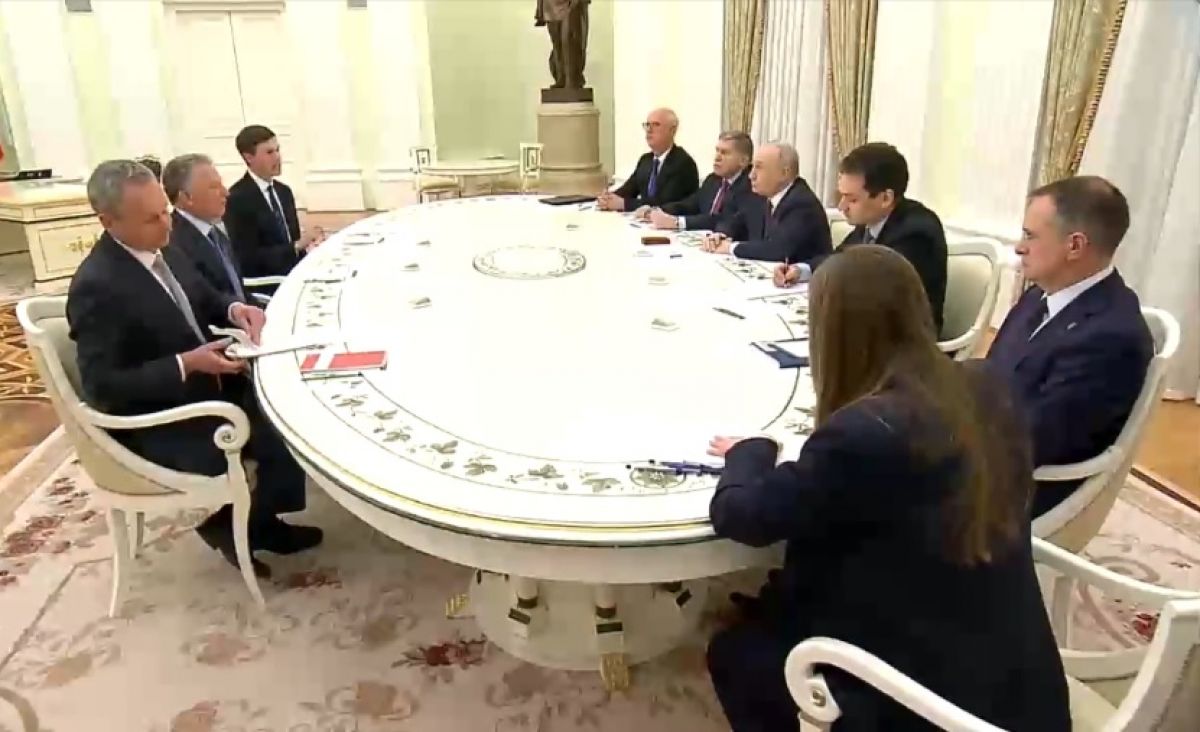
Putin Proposes Establishing Humanitarian Mission in Konstantinovka Similar to Alekseyevka

12 November 15:55


© изображение сгенерировал ИИ
Small businesses in Russia are considering scenarios that include shutting down, limiting revenue growth, or fragmenting their operations to avoid paying value-added tax (VAT) following a reduction in the annual income threshold for users of simplified and patent taxation systems (UST and PST), according to a survey conducted by the Chamber of Commerce and Industry. The survey included 23,000 small business owners from 87 regions of Russia, with the results published by Kommersant.
According to the survey findings, 27% of entrepreneurs are contemplating reducing or even closing their businesses, 26% plan to restrain growth to avoid exceeding the threshold, 24% intend to fragment their businesses, and 23% do not plan to make any changes to their operations.
It is worth noting that in 2026, the threshold for paying VAT was lowered from 60 million rubles to 20 million rubles per year. This measure was presented as a tool to combat business fragmentation, a practice now being considered by nearly a quarter of respondents. It was initially planned that the threshold would continue to decrease, reaching as low as 10 million rubles per year, but this decision was frozen until 2029 for UST users due to business objections. The freeze does not apply to the patent system.
According to the same TPP survey, 39% of "simplified taxpayers" described the impact of the new rules as "critical," while 36% characterized it as "tolerable but noticeable."
When asked how VAT changes affected their relationships with clients, 25% of respondents admitted they had switched to cash transactions, 29% raised prices, 32% kept prices at the same level, sacrificing profits, and 14% said they managed to "maintain a balance."