



Ukrainian Drone Attacks Wildberries Warehouse in Moscow Region

18 August 06:39

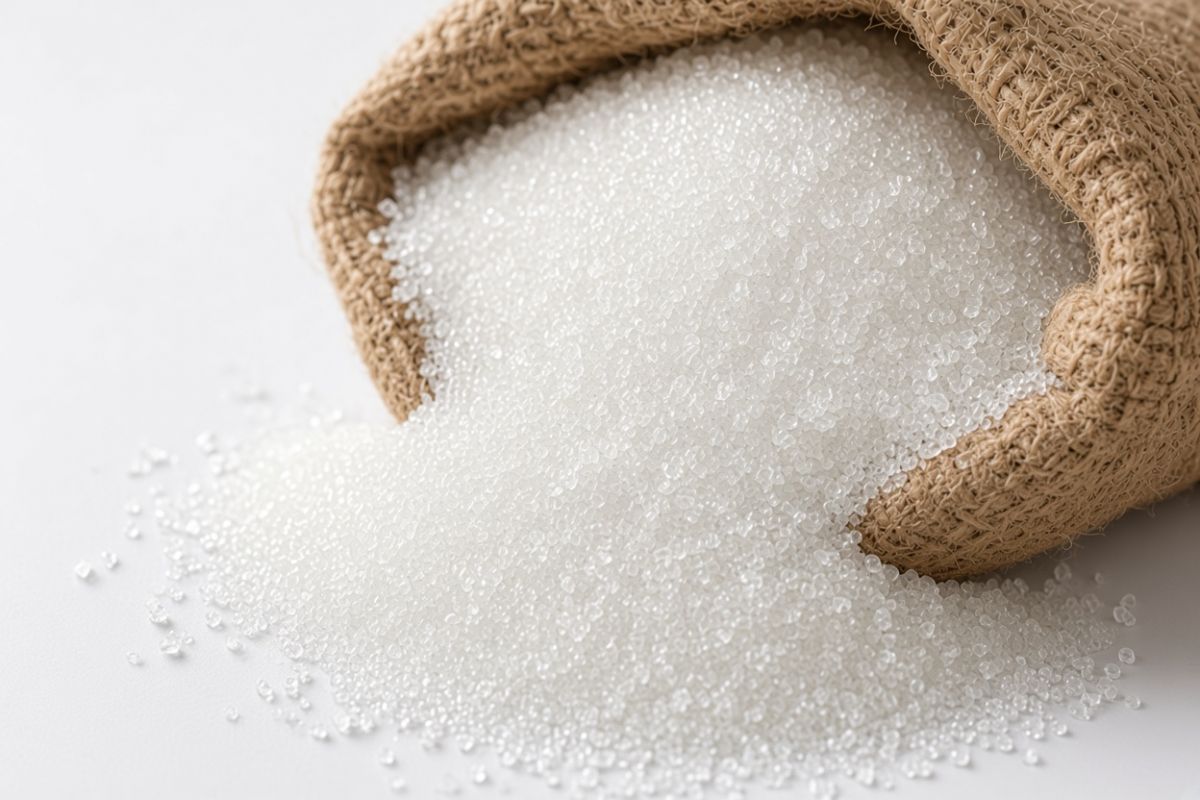
© изображение сгенерировано ИИ
Agreements between regional authorities and market participants to control prices on essential goods have led to a reduction in the cost of certain product categories. In particular, in 6 regions, sugar prices decreased by an average of 7% after such agreements were signed, according to the Federal Antimonopoly Service (FAS).
In addition, in 12 regions, the average size of trade markups on "social" sugar products decreased by 7.4%.
FAS lists among the regions where this effect was recorded the Kurgan, Orenburg, Rostov, Lipetsk, Ulyanovsk, Oryol, Penza, Volgograd, Kaluga, and Ivanovo regions, as well as Karelia, Komi, Crimea, and Tyva.
As of August 2026, such agreements have been signed in 66 regions. They have been joined by 14,987 economic entities, including manufacturers, wholesale companies, retail organizations, and pharmacy networks.
The agreements are most actively applied to a list of essential food products. For example, agreements on bread and bakery products made from wheat flour are in effect in 53 regions, on drinking milk in 55, and on rye and rye-wheat bread in 56.
Agreements on butter have been signed in 51 regions, on sunflower oil in 49, and on sugar and chicken eggs in 47. The mechanism is also applied to poultry meat, rice, buckwheat, wheat flour, potatoes, salt, tea, pasta, vegetables, fruits, and other products.
Specific categories of goods covered by the agreements are determined by the regions themselves, taking into account the situation in local markets. The mechanism can be applied not only to food but also to certain non-food items.
