


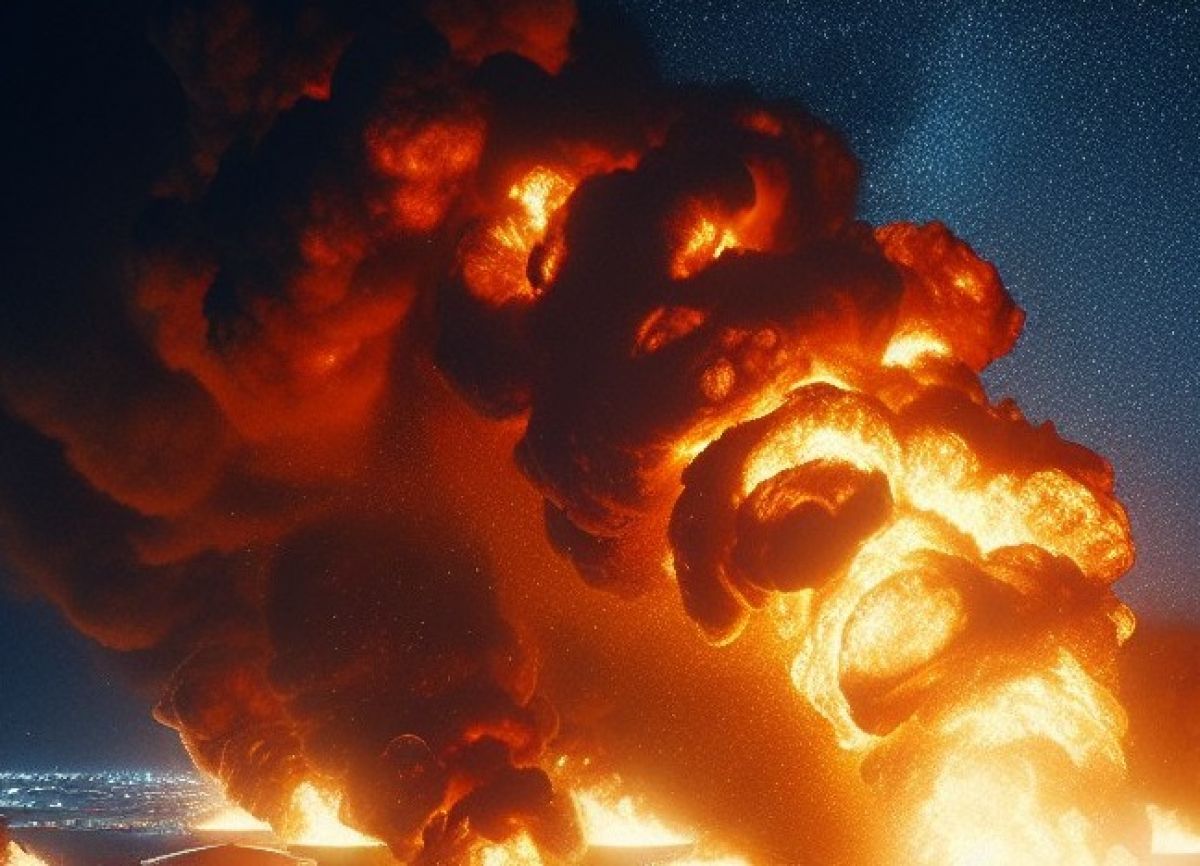
Ukrainian Drone Attacks Wildberries Warehouse in Moscow Region

18 August 06:39

© ООО «Региональные новости»
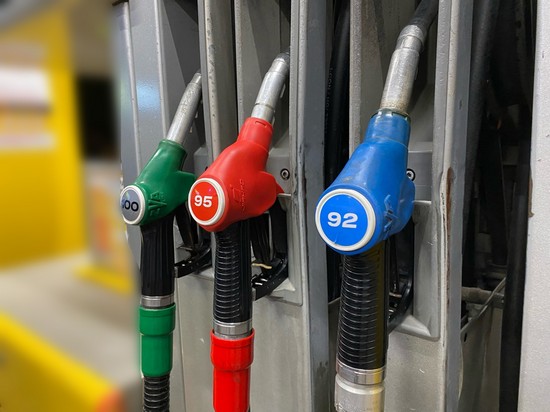
In Moscow, some gas stations have introduced restrictions on the sale of gasoline and diesel fuel due to a surge in demand, according to RBC.
Representatives of gas station networks have reported an increase in demand, and the Ministry of Energy has acknowledged the issue of queues at fuel stations.
On the hotline of Gazprom Neft, a significant increase in fuel demand in the capital was noted. The company also confirmed temporary restrictions on the sale of gasoline and diesel.
Initially, the hotline stated that up to 40 liters of fuel could be purchased per refueling. Later, Gazprom Neft clarified that the actual limit at its stations in Moscow and the Moscow region is 60 liters. The availability of gasoline in jerry cans should be checked directly at each station.
Similar restrictions are in place at other operators. Tatneft reported a maximum sale of 50 liters of gasoline and up to 60 liters of diesel.
The availability of certain types of fuel varies depending on the station. On the evening of August 18, the hotline of Neftmagistral reported that only one gas station in Moscow still had AI-95 gasoline. The availability of diesel fuel was recommended to be checked before traveling.
At several Lukoil gas stations in Moscow, AI-92 and AI-95 gasoline and diesel fuel were available. At another station in the network, only diesel was available.
The increased demand is also evident in the queues. On the night of August 19, an RBC correspondent observed a buildup of cars at some gas stations. A small queue formed at one Lukoil station where AI-95 could be purchased. Cars were also waiting to refuel at a Tatneft station.
Energy Minister Sergei Tsyvilov acknowledged the issue of queues at Russian gas stations the previous day. He stated that fuel is available at stations, but in some places, there is a high demand, causing motorists to wait.
Fuel supply disruptions have been observed in several Russian regions for several months. Earlier, various restrictions on fuel sales were introduced in more than 80 regions, but by July, they began to be gradually eased. However, the Ministry of Energy reported that fuel supply problems persist in some regions.
Deputy Prime Minister Alexander Novak linked the difficulties to a partial reduction in the loading of Russian oil refineries. He said that additional measures would ensure fuel deliveries to regions with the most tense situation.
Authorities have repeatedly stated that the problems in the fuel market are temporary. In light of the continued high demand, oil companies and relevant agencies have been tasked with continuing efforts to stabilize supplies.
