
Third Accomplice Detained in Assassination Attempt on Lieutenant General Vladimir Alekseyev

10 February 14:22

© Кремль
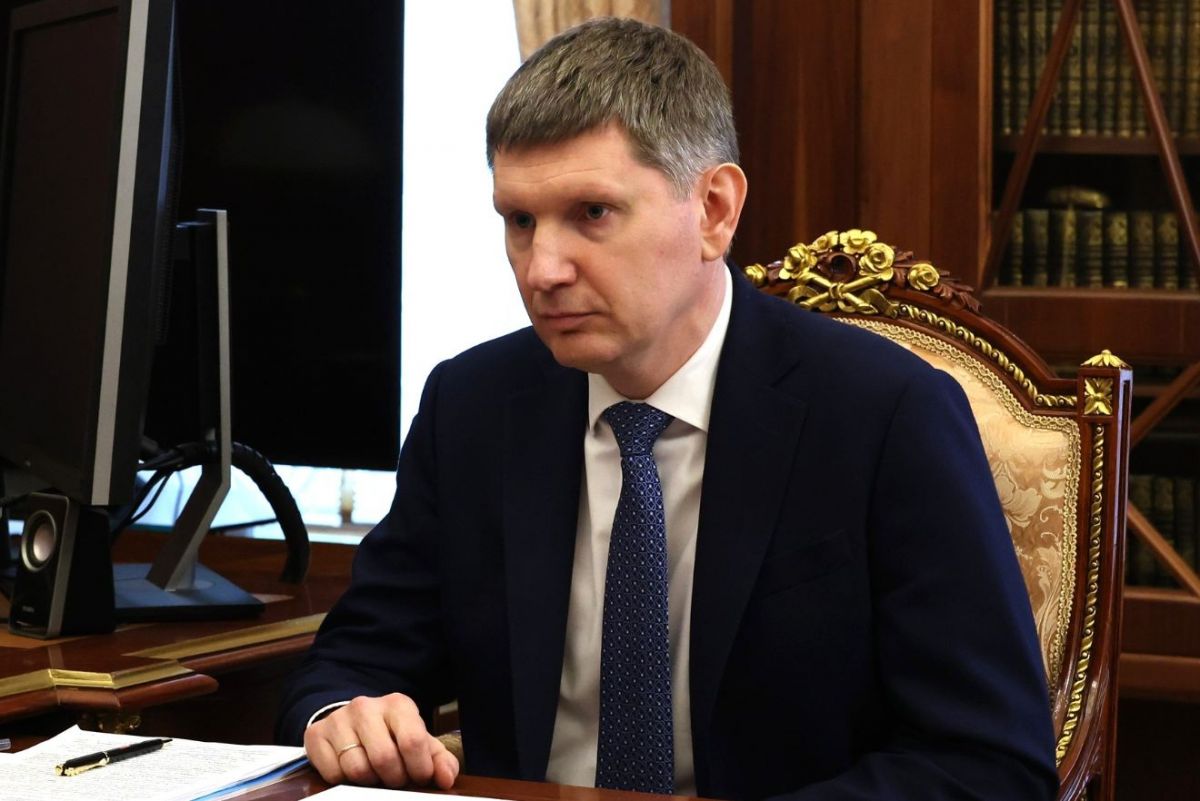
Russian Minister of Economic Development Maxim Reshetnikov announced the preparation of additional tax relief measures for small and medium-sized businesses amid changes in taxation rules. Speaking at a meeting of the President of Russia with members of the Government, he emphasized that the new tax system configuration aims to create a fair competitive environment, prevent artificial business fragmentation schemes, and maintain targeted support for companies in the supply-side sectors of the economy.
Based on an analysis of business community appeals, the Ministry of Economic Development proposed introducing a transitional mechanism for accessing preferential tax regimes in 2026. The key innovation is that company performance indicators will be assessed quarterly for the current year, rather than based on data from the previous period.
For example, to qualify for VAT exemptions in the catering sector starting in 2026, wage levels from the previous quarters of the current year will be taken into account. A similar approach is planned for providing reduced insurance contribution rates for small and medium-sized enterprises (SMEs): the share of revenue from manufacturing industries can be confirmed based on the results of the current year.
In parallel, the Government is increasing financial support for small and medium-sized businesses in priority sectors. The volume of subsidized lending under a joint program with the Bank of Russia has been doubled to 200 billion rubles. The loan issuance limit has also been raised to 260 billion rubles. Additionally, support is being expanded through regional guarantee and microfinance organizations, and infrastructure development continues with the creation of business parks, industrial sites, and tech parks.
Business support centers known as "Moy Biznes" (My Business) are helping entrepreneurs adapt to the new rules. They assist in choosing the optimal tax regime, explain legislative changes, provide accountant training, and organize webinars in collaboration with the Federal Tax Service.