
Crocus Center Attack Accomplices Sentenced to Terms Ranging from 19 Years to Life Imprisonment

12 March 11:58

© ООО "Региональные новости"
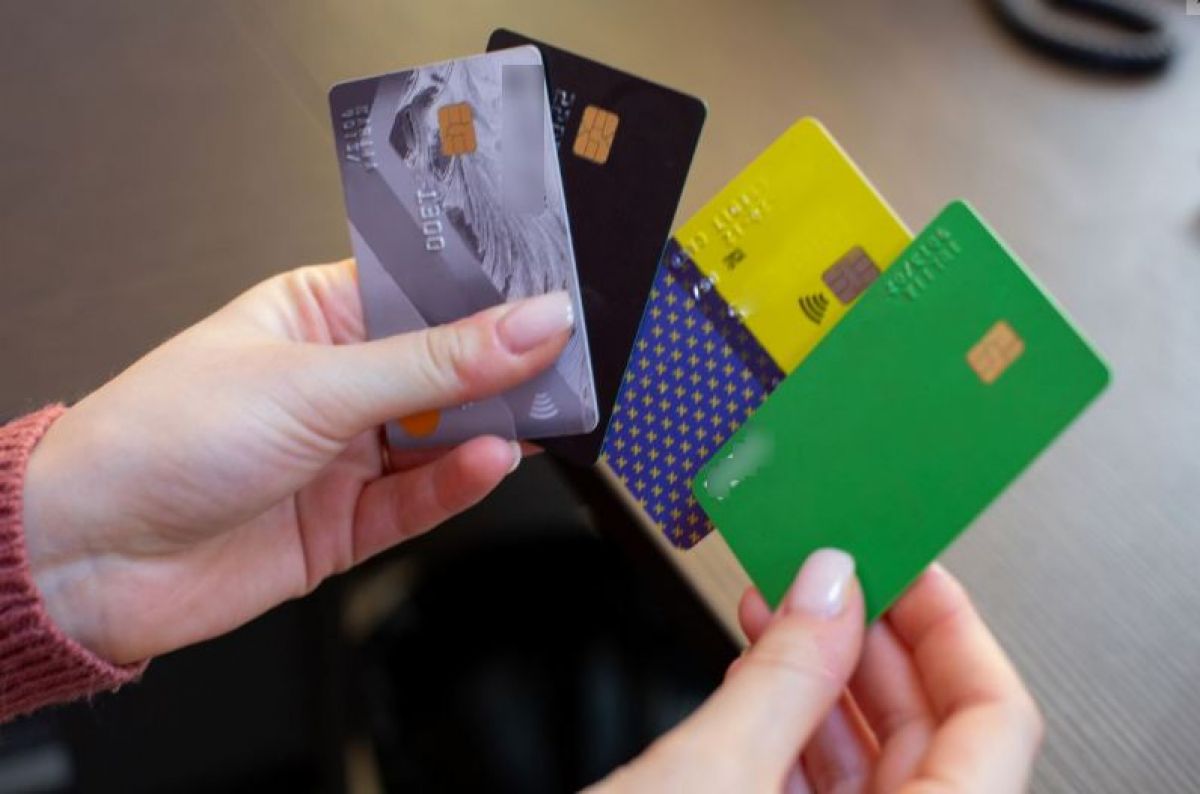
Efforts to combat fraud in the banking sector at the start of 2026 have led to a wave of mass account and card freezes, according to Kommersant. Experts estimate that in just the first few weeks of January, between 2 and 3 million people were affected by temporary restrictions, a significant increase from previous averages of around 330,000 blocked transactions per month. The reason for this surge is a new regulation from the Central Bank of Russia (CBR) that came into effect on January 1, expanding the list of suspicious transaction indicators under Federal Law No. 161 from six to twelve.
In the first three weeks of the year, hundreds of complaints have appeared on financial forums regarding unexplained account freezes. Customers report that banks often do not provide reasons for the restrictions and advise them to contact the CBR directly. Even seemingly routine operations, such as multiple recharges of marketplace accounts when purchasing several items in a row, are now subject to scrutiny.
Experts attribute the situation to two main factors: the sharp expansion of formal criteria and the high degree of automation in anti-fraud systems. Algorithms are set to maximum sensitivity to prevent any potentially fraudulent transactions, which inevitably leads to an increase in false positives. According to specialists, public complaints represent only a small fraction of actual cases, and the actual number of affected customers may be significantly higher.
The CBR does not disclose official statistics on account freezes but acknowledges the problem. In November, CBR Governor Elvira Nabiullina noted that while complaints about fraud had decreased, there had been a rise in complaints about unjustified account blocks—“the stick had been bent too far in some places.” The regulator emphasizes that it is analyzing the effectiveness of current requirements and will adjust the regulatory framework as necessary, including mechanisms for client rehabilitation.
Banks confirm the increase in temporary restrictions, attributing it to the need for enhanced transaction verification and ongoing fraudster activity. Major players assert that most preventive blocks on legitimate transactions are lifted quickly, and they are working with the regulator to fine-tune protection systems.
However, human rights advocates and industry experts argue that the inconvenience for customers is not minimal. There are documented cases where banks fail to explain the reasons for blocks or provide conflicting information, forcing people to spend extra time resolving issues. The existing rehabilitation mechanism under Federal Law No. 161 is complex and poorly understood by ordinary citizens, with applications for exclusion from the CBR database taking up to 15 working days, effectively depriving individuals of access to their cashless funds.
Experts point out that those most affected are typically self-employed individuals, freelancers, and relatives of elderly people who regularly receive transfers. They suggest that the current practice requires adjustment and clearer regulation. Proposed measures include mandatory minimal disclosure of block reasons, an accelerated and transparent review process with fixed timelines, regular revision of anti-fraud criteria, and even automatic compensation for clients in cases of erroneous restrictions.