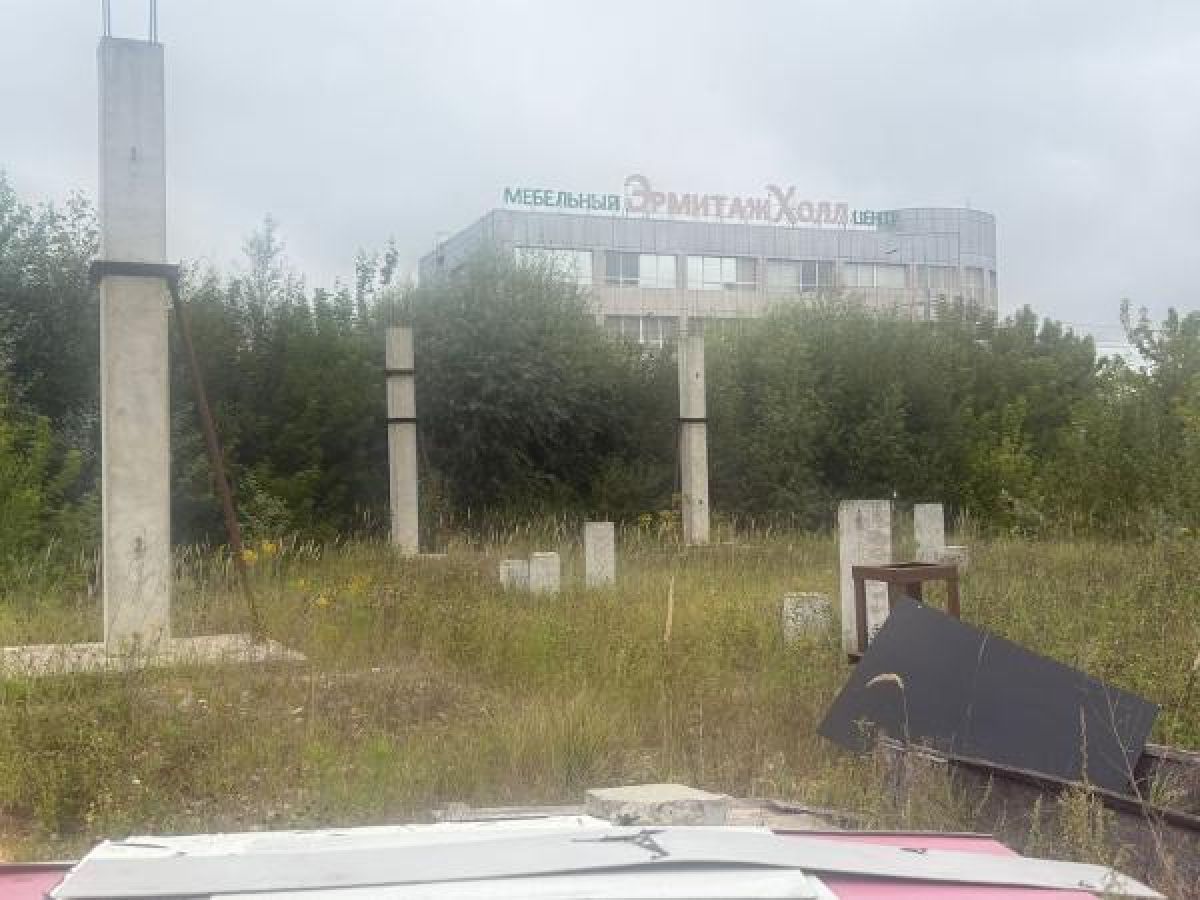
A resident of the Tula region shared with "Tula News" the story of an unusual auction he had participated in. The subject of the auction was a plot of land in the Zarechensky district of Tula on Oktyabrskaya Street. According to the auction.ru, the readiness level of the object is 20%, and the area is 1,415 square meters. Previously, the plot belonged to the company LLC "Stroy-Mik", but it was confiscated and put up for auction. Its starting price was 610,583 rubles. The cadastral value of the plot is 5.5 million rubles.
Interestingly, the auction took place from December 19 to 23, that is, for three working days. The reason for this is that the auction step was 6,105 rubles. In the end, the price was raised more than 650 times! In percentage terms, the price increased by 7,460%! In the end, the plot was sold for 46 million 160 thousand 74 rubles 80 kopecks.
Before participating in the auction, the man paid a deposit of slightly more than 61 thousand rubles. On December 19, he was present at the first stage of the auction, but left before its completion for personal reasons. On December 22, he came at the appointed time to the second stage of the auction, but the commission refused him access, explaining that he had left the place of the auction at the previous stage. The commission qualified his departure as a refusal to participate.
The Tula resident was indignant about this and appealed to the Federal Antimonopoly Service (FAS) to conduct an investigation.
According to the Regulations on the Organization and Conduct of Auctions for the Sale of Property Seized in Accordance with the Legislation of the Russian Federation (approved by the Decree of the Government of the Russian Federation No. 1299 of December 3, 2014 "On Approval of the Rules for Conducting Public Auctions for the Sale of Unfinished Construction Objects" (hereinafter referred to as the Regulations)), leaving the hall is not a reason for recognizing a participant as refusing to participate or withdrawing from the auction.
According to our information, the regional branch of the Federal Antimonopoly Service in the Tula region did not find any violations in this case.