Government to Extend Diesel Export Ban with Exceptions for Global Markets - Novak

30 October 15:55

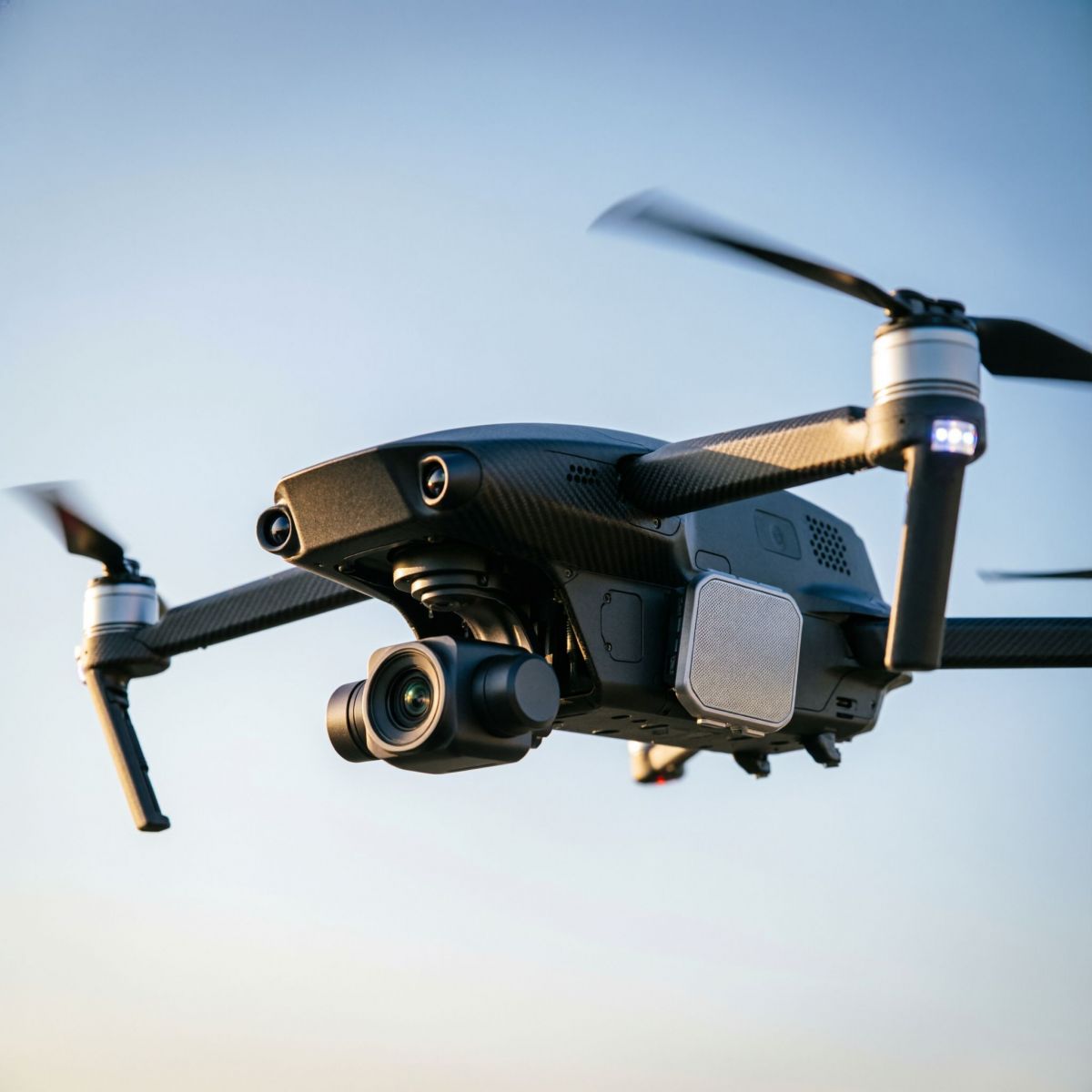
© изображение сгенерировано ИИ
Russia is introducing its first unified requirements for the transportation of medical cargo using unmanned aerial vehicles (UAVs), according to TASS. The new national standard (GOST), approved by Rosstandart, will come into effect on November 30, 2026. The document sets rules for the transportation of medicines, vaccines, biomaterials, and other cargo sensitive to storage conditions.
As reported by Rosstandart, the standard applies to operators of unmanned aircraft systems, as well as equipment and all stages of delivery—from preparing the medical shipment to handing it over to the recipient.
Special attention is given to maintaining the required temperature regime. For transporting thermolabile drugs, drones must be equipped with special thermocontainers or refrigeration and heating devices.
The GOST also limits the loading of refrigeration equipment to two-thirds of its capacity. This is necessary to ensure uniform temperature distribution within the chamber and the preservation of medical cargo.
Another mandatory requirement is the disinfection of cargo compartments. In some cases, sanitary treatment will need to be carried out before each flight. Additionally, thermocontainers and temperature control systems must undergo qualification and validation in accordance with the principles of Good Distribution Practice of the Eurasian Economic Union.
Alexei Rogozin, CEO of the Russian Aircraft Manufacturers Association, noted that the use of drones is particularly important for medical support in remote settlements. The speed of delivery of medicines and other necessary cargo directly affects the availability of medical care for residents of such areas.
He said that unified rules will allow medical institutions and drone operators to coordinate requirements for transportation and preservation of shipments, as well as create regular delivery routes.
Rosstandart head Anton Shalaev, in turn, called the new GOST one of the elements of systematic work to develop unmanned medical logistics. The document takes into account both the technical capabilities of the industry and the requirements of healthcare.
The standard is part of a forward-looking standardization program running until 2032. In Rosstandart, it is expected that the formation of unified requirements will help expand the use of unmanned aviation in medicine and make the delivery of necessary cargo more accessible for residents of remote areas.