Russia to Lift Diesel Export Restrictions Ahead of Schedule - Novak

09 October 23:37

© Кремль
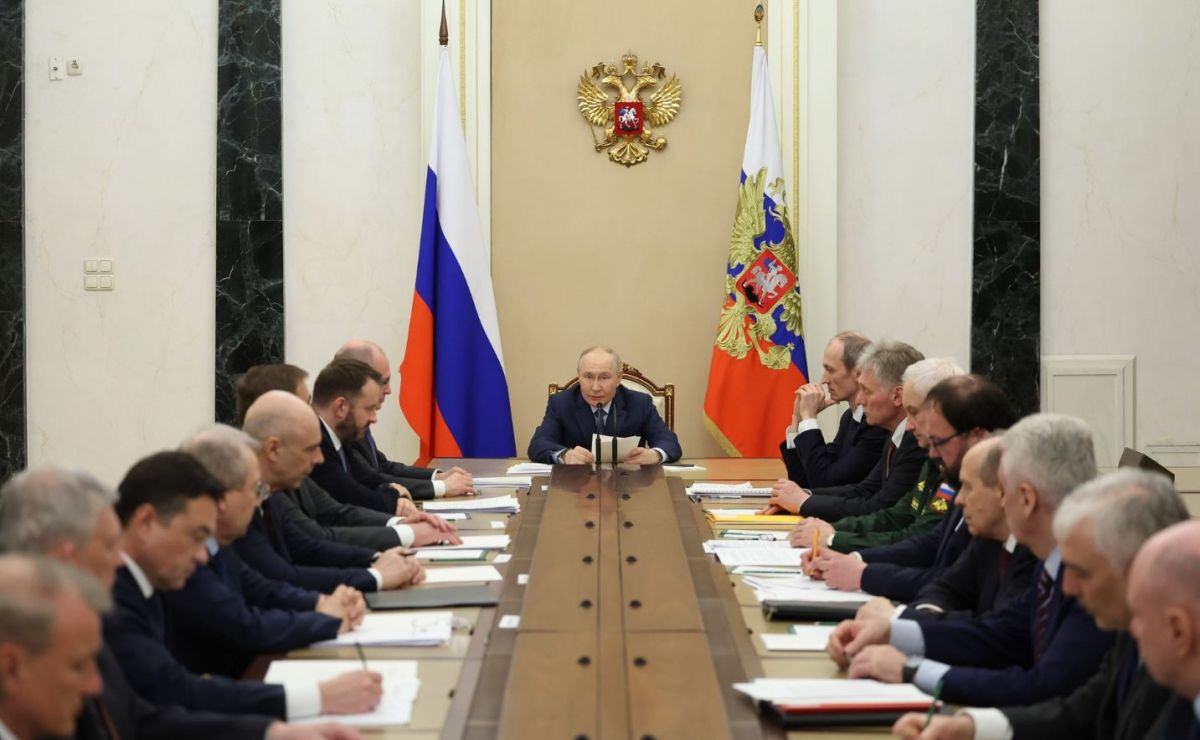
Russian President Vladimir Putin convened a meeting at the Kremlin focused on the development of artificial intelligence (AI) technologies, attended by representatives of leading domestic IT companies and government officials. The main topic of discussion was the acceleration of AI implementation and the creation of a sustainable technological base within the country.
Putin stated that AI is already becoming a key factor in transforming the economy, social sphere, and state governance. Alongside digital platforms and autonomous solutions, AI is shaping a new development model that directly impacts the competitiveness and technological independence of the state.
The President paid particular attention to the rapid progress in language models and neural networks. Modern systems not only demonstrate the ability to process large amounts of data but also perform complex interdisciplinary analysis. Based on these systems, so-called AI agents are actively being developed—intelligent assistants capable of acting autonomously, planning tasks, and interacting with users at a qualitatively new level.
Putin instructed the government to develop a financial support model for the industry, involving state participation, private business, and state corporations. It is also planned to actively attract resources from the defense sector, taking into account the experience of leading countries in the field of AI.
A separate focus will be on the practical implementation of technologies. By 2030, AI should be integrated into all key sectors—from industry and logistics to education and state governance. For this purpose, a national plan will be developed, taking into account the specifics of regions and industries.
Parallel efforts are underway to establish a flexible regulatory framework. It was emphasized that regulation should not hinder development but rather stimulate innovation and create conditions for technological advancement.
Control over the implementation of the strategy will be strengthened: heads of ministries and agencies are required to regularly submit public reports on AI implementation, demonstrating specific solutions.
A special commission has been established to coordinate work, consisting of representatives from the administration, government, business, and expert community. Its task will be to develop comprehensive solutions—from accelerated technology implementation and education reform to risk assessment and AI development in the defense sector.
It is also planned to actively promote Russian developments in international markets and expand cooperation with partners in the CIS, SCO, and BRICS.